
Health in Retirement: How One Simple Change Made Me Stronger and More Confident
It makes sense that one of the most important things we can do as we get older is look after our health.
After all, we can make all the plans we like for retirement. We can dream about travelling, spending time with family, working in the garden, renovating the house, entertaining friends and enjoying the freedom that comes with having more time.
But being physically able to enjoy those things matters too.
I know that.
I’ve always known that.
I just haven’t always been very good at doing anything about it.
And before we go any further, this isn’t an article from someone who has suddenly become passionate about exercise, discovered kale smoothies and now wants to tell everyone else how they should live.
That is definitely not me.
This is simply the story of something I finally changed in my own life — and why, at 58, I began looking at my health very differently.
I’ve Never Been an Exercise Person
I’ll be the first to admit that looking after my physical health hasn’t always been high enough on my priority list.
I love food. So much of what I enjoy revolves around food and my people — cooking for them, eating with them, celebrating with them and gathering everyone around a table.
Traditional diets have therefore never worked particularly well for me. Anything that makes food feel like the enemy is unlikely to last very long in my world.
Exercise hasn’t been much better.
I’ve heard people talk about the wonderful high they get after exercising. Apparently they finish a workout feeling energised and fantastic.
I have patiently waited for this phenomenon to occur.
It hasn’t.
I may feel pleased with myself afterwards. I certainly feel proud that I’ve done it. But given the choice between a workout and one of the many other things that genuinely make me feel wonderful, historically the other thing was always going to win.
So believe me when I say I am probably the last person who should be extolling the virtues of exercise.
But I do want to tell you what I’ve learnt.
The Injury That Changed How I Saw Myself
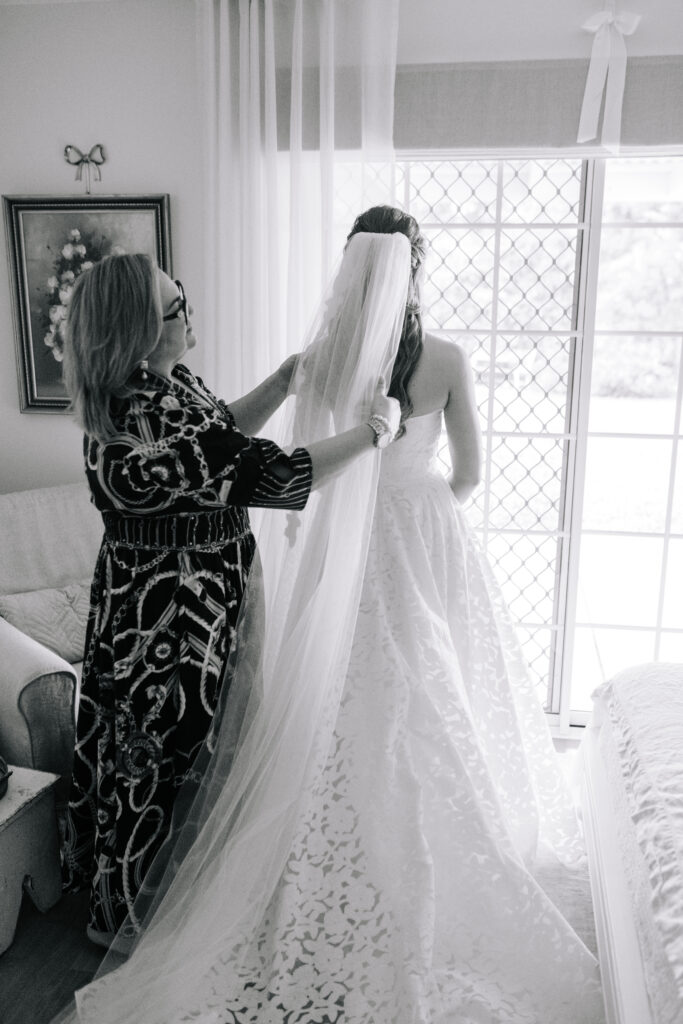
If you’ve been here for a while, you may remember that just before Em’s wedding I shredded my meniscus.
For a while I was on crutches, which I absolutely hated, and there followed appointments with specialists and physiotherapists.
Thankfully, I managed to get through that very important walk down the aisle with Em, and eventually my knee improved to the point where it wasn’t hurting throughout the day.
Physically, things were getting better.
Mentally, however, something had changed.
The whole experience had frightened me.
I became incredibly protective of my knee. I was scared of doing anything that might damage it again and put me back where I’d been.
Without really realising it, I began avoiding more and more things.
I couldn’t comfortably get down onto the ground. Walking longer distances would leave me with pain in my leg and lower back. I became increasingly cautious about what I did physically.
And for the first time, I felt old.
I remember describing the injury as “having a fall”. Even the language I was using about myself had changed.
It wasn’t just my knee I had lost confidence in.
I’d lost confidence in my body.
And that started me wondering: If this is how I feel now, what is my physical health going to look like in another five years? Ten years? Twenty?
I didn’t particularly like the answers I was imagining.
Then Everything Became Much More Important
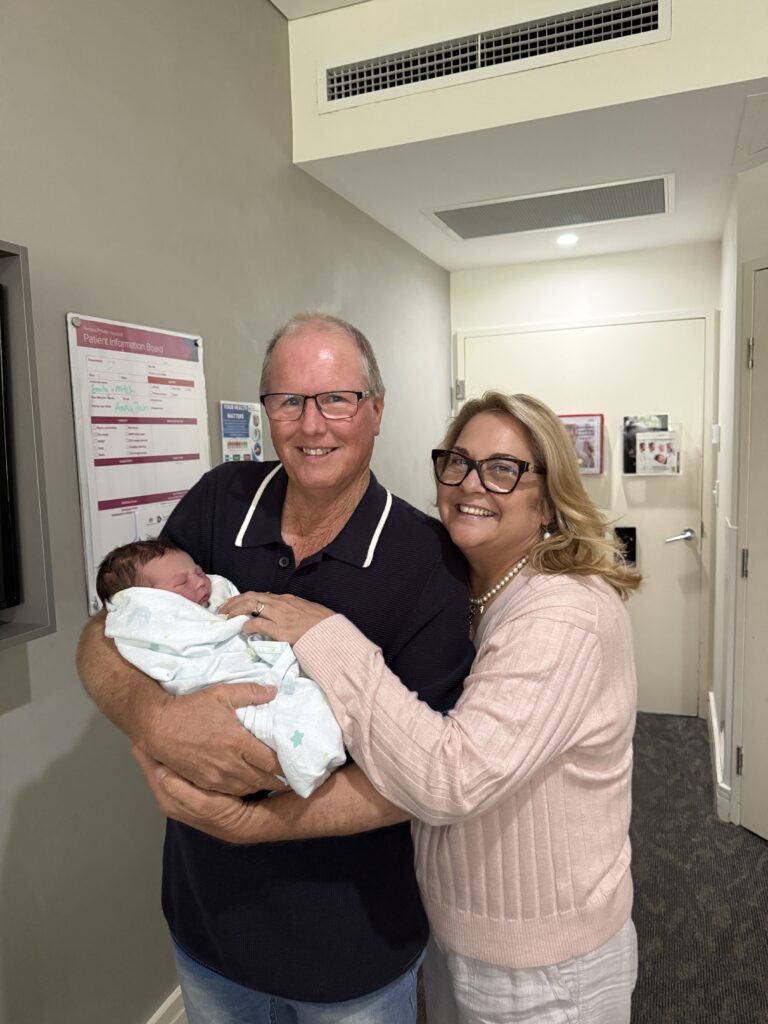
And then Em and Mitch told us they were having a baby.
Suddenly, looking after my health wasn’t an abstract idea about something I “should” probably do as I got older.
It became very real.
I knew immediately that I didn’t want to feel like an old person who couldn’t play with her grandchildren.
That wasn’t part of my plan.
I wanted to be able to get down on the floor with this little person. I wanted to be able to pick them up and carry them without my arms aching. I wanted to be physically capable of being the grandmother I imagined myself being.
And I realised that hoping my body would somehow remain capable without me doing anything to help it probably wasn’t much of a plan either.
I knew I needed to do something.
I just didn’t know what.
Sometimes the Answer Arrives in the Backyard
As luck would have it, I was chatting one day to the guy laying pavers in our backyard.
Watching the physical work he was doing, I commented that he must suffer from terrible back pain.
He told me that he went to a different type of gym and then gave me its name — Keiser.
I wish I could tell you that I immediately raced home, looked it up and booked an appointment.
I didn’t.
The information sat in the back of my mind for a while.
Because one thing I’ve come to believe is that sometimes you really do need to be in the right frame of mind to make a significant change.
And for me, exercising regularly was going to be a significant change.
After we returned from Singapore at the beginning of 2026, something felt different.
I was ready.
Starting With What I Actually Wanted My Body to Do
One of the things I liked from the beginning was that this wasn’t about walking into a gym and simply being told I needed to lose weight.
My first appointment at Keiser was with a physiotherapist, and we talked about my goals.
And my goals were incredibly simple.
I wanted to move easily with my grandchild.
I wanted to be able to get down onto the floor.
I wanted to be able to hold the baby without my arms becoming tired and aching.
Since damaging my knee, I’d become so protective of myself that I’d gradually become weaker. I wanted to reverse that.
I also saw an exercise physiologist through the same business and underwent an assessment.
And there was one result I was not impressed with.
Apparently my body’s age was 63.
I was 58!
Disgusted is probably the appropriate word.
But there were other parts of the assessment that encouraged me. Instead of coming away thinking I’d left everything too late, I realised there was plenty I could work on.
Maybe I wasn’t a lost cause after all.
The Gym That Finally Worked for Me
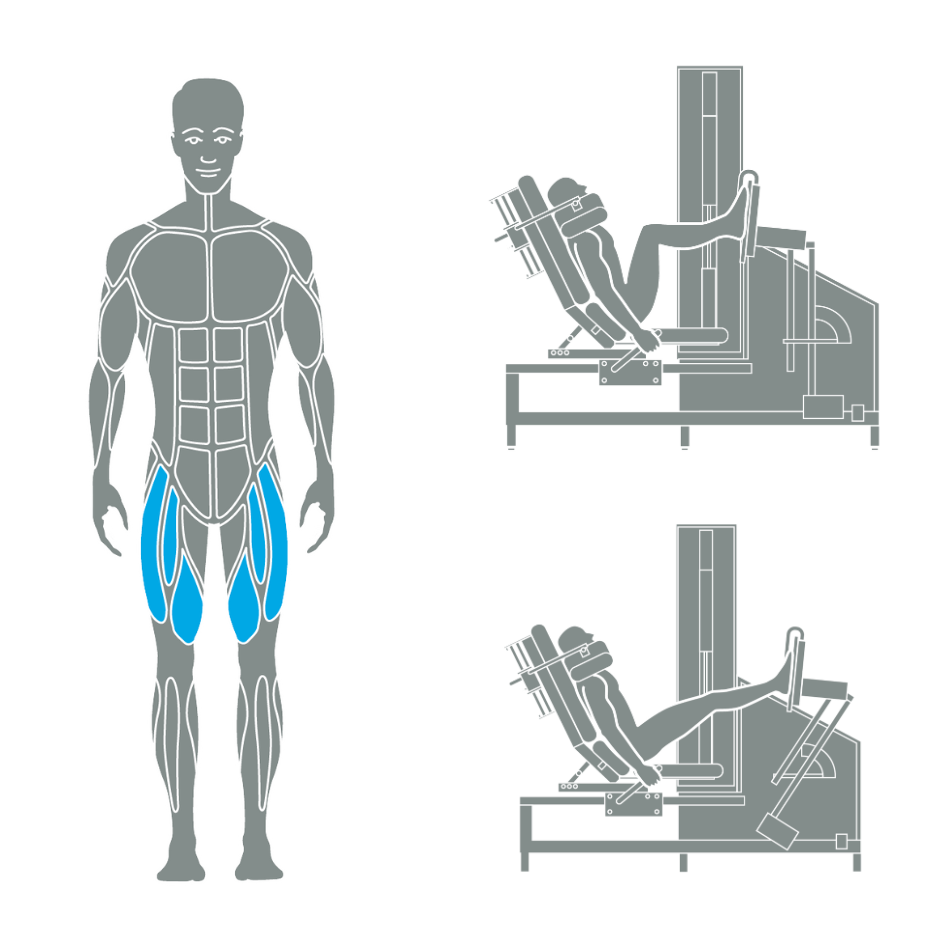
I started working with a trainer twice a week for around six weeks.
After that, I moved to one session a week with my trainer and another one or two sessions on my own, following my program through their app.
And I’ve kept going.
For eight months.
Even writing that feels slightly unbelievable because a few years ago I would have laughed if you’d told me I’d become someone who consistently went to the gym.
But I think I’ve finally understood something important.
If you’re someone who doesn’t naturally love exercise, finding an environment that suits you can make an enormous difference.
For me, Keiser works.
There are no mirrors.
There isn’t loud music pumping through the room.
I love the atmosphere and the whole-body approach.
And perhaps most importantly, my actual workout takes about 30 minutes.
Because it’s only ten minutes from home, I’m usually out of the house for around an hour.
That’s manageable.
It fits into my week without exercise becoming the main event of my day.
I should also say that this isn’t an inexpensive option. But I’ve decided it’s worth spending money on.
The way I see it, investing in my health now may be one of the best investments I can make in the life I want to live later.
The Changes I Didn’t Expect
I have since had another assessment.
My body’s age has come down to my actual age.
My visceral fat is now within the normal range.
But strangely, those aren’t even the changes that matter most to me.
My knee?
I barely think about it anymore.
Something I was once paranoid about has become almost a non-issue.
My lower back pain, which I’ve lived with for decades, has improved enormously.
The constant tightness I’ve carried through my neck and shoulders for as long as I can remember is finally beginning to release.
I can get down onto the ground when I need to.
And most importantly?
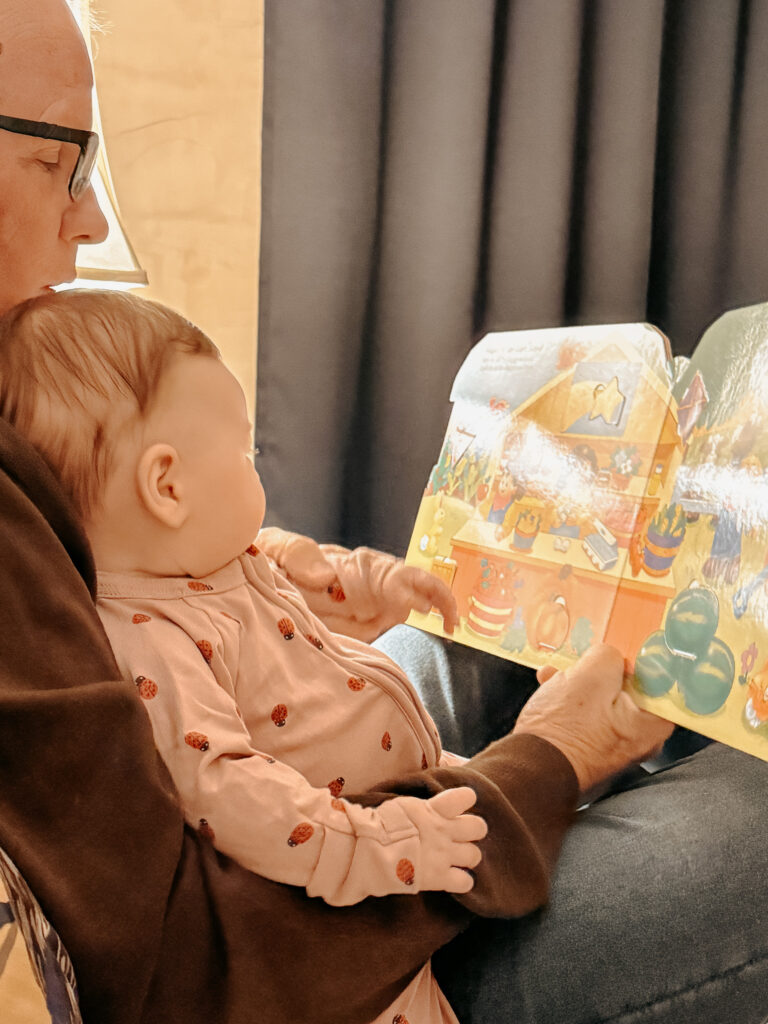
I can hold Hazel for as long as I want without my arms aching.
That was one of the reasons I started.
And every time I realise I’m standing there happily cuddling her without thinking about whether my arms can manage it, I’m reminded why I keep going.
Why Strength Matters More As We Get Older
I’ve since learnt that strength training becomes particularly valuable as we age.
We naturally become more vulnerable to losing muscle mass as we get older, and maintaining strength can help us continue doing the ordinary things that allow us to remain independent — lifting, carrying, getting up and down, climbing stairs and simply moving confidently through life.
Strength and weight-bearing exercise can also help maintain stronger muscles and bones and reduce the risk of falls and osteoporosis. Regular physical activity more broadly supports heart health, blood pressure, blood sugar, mental well being and our ability to stay independent as we age.
The current Australian movement guidelines recommend adults include muscle-strengthening activities on at least two days each week, alongside aerobic activity and activities that support mobility, balance and coordination.
But what interests me most isn’t really the official list of benefits.
It’s what strength allows us to do.
Carry the groceries.
Work in the garden.
Travel.
Get up off the floor.
Move furniture around because you’ve once again decided the room would look better the other way.
Pick up a grandchild.
And hopefully keep doing all of those things for a very long time.
At First, The Changes May Not Be What You Expect
Something else I learnt has helped me enormously with patience.
When someone who hasn’t done much resistance training begins, the early improvements in strength aren’t necessarily because they’ve suddenly grown lots of new muscle.
In those early weeks, your nervous system becomes better at activating and coordinating the muscles you already have. Muscle growth can begin during this period too, but the visible changes generally take longer to appear. Over time, continued resistance training leads to more noticeable increases in muscle size and strength.
I rather like thinking of those first months as waking everything back up.
Because that’s what it felt like.
Initially, the changes I noticed were small and mostly about what I could do rather than what I could see.
Now, eight months later, I’m finally beginning to see muscles appearing in my arms and legs that I had completely forgotten existed.
Who knew they were still in there?
One Change at a Time
Perhaps the biggest lesson I’ve learnt through all of this has nothing to do with weights.
It’s about how I approach change.
I am naturally an all-in person.
Once I decide I’m going to get healthy, my instinct is to change everything.
Exercise! Diet! Water! Walking! Protein! Vegetables! Sleep!
And suddenly I’ve created another full-time job for myself.
Then it becomes overwhelming, life gets in the way and eventually the whole thing quietly disappears.
Clearly that approach hadn’t worked particularly well for the previous 58 years, so this time I decided to try something different.
One thing at a time.
The first thing was strength.
I didn’t worry about transforming everything else at the same time.
I simply concentrated on building the habit of going to the gym.
And now that habit feels like part of my life rather than something I’m forcing myself to do.
My next goal, when I see my exercise physiologist again, is to introduce some treadmill work and begin improving my cardiovascular fitness.
Once that is established, we’ll look at my diet.
Again, I’m not interested in going on a restrictive diet.
Food is one of the great joys of my life and I don’t want that to change.
Instead, I want to learn how to give my body more of what it needs as I get older — particularly enough protein, vegetables and good nutrition to support the work I’m now asking it to do.
I’ve also realised that my problem isn’t necessarily overeating. I’m often a fairly minimal eater during the day, and I’m learning that consistently under-fueling or not eating a balanced mix of foods isn’t necessarily helping my body either.
So that will be the next piece of the puzzle.
Not everything at once.
Just the next thing.
I’m Still Not an Exercise Person
Eight months later, I have some disappointing news.
I still don’t get that exercise high.
I don’t leap out of bed desperate to get to the gym.
Given the choice between lifting weights and a long lunch with people I love, I’m fairly confident we all know which one I’m choosing.
But something has changed.
I don’t want to stop.
Because now I can feel what exercise is giving me.
I feel stronger.
I move more confidently.
I’m no longer frightened of my knee.
Pain I’ve lived with for years has improved.
And I’m beginning to trust my body again.
Most importantly, this isn’t about trying to look younger or pretending I’m not getting older.
I’m going to get older. If I’m lucky, I’ll get much older.
What I’m trying to change is how capable I can be while I’m doing it.
Looking After the Life We’re Planning For
We talk a lot about preparing financially for retirement.
We think about superannuation, where we’ll live, when we’ll stop working and what we’d like to do with all that extra time.
I’m beginning to think our physical health deserves a place in those retirement plans too.
Not because we can control everything that happens to our bodies. We can’t.
And certainly not because doing everything “right” guarantees perfect health.
It doesn’t.
But perhaps there is a question worth asking:
What do I want my body to be able to do in the life I’m planning?
For me, the answer wasn’t running a marathon or lifting enormous weights.
It was getting onto the floor.
Travelling without worrying about how far I’d have to walk.
Feeling confident in my own body again.
And holding my granddaughter for as long as I wanted.
Those things were enough to finally get me through the door.
So if, like me, you’ve never been an exercise person, perhaps you don’t need to suddenly become one.
Maybe you just need to find your reason.
Find something that works for you.
Start smaller than you think you should.
Give yourself time to become stronger.
And then add the next thing.
That’s what I’m doing.
Slowly but surely, I’m hoping to become a healthier and stronger version of myself — not because I want to spend my retirement exercising, but because I want a body that helps me enjoy everything else I have planned for it.
If you’re new to my Retirement Reflections series, you might like to start with my first article, When to Start Planning for Retirement: The Simple Mistake Most People Make, where I share why I believe preparing for this next chapter is about so much more than simply choosing a retirement date.
You are amazing! I love reading about your retirement journey!
Thank you so much Wendy, Im having a great time learning about this wonderful new stage of life and how to enjoy it to the fullest!. I hope you are going well.