
Spring Decluttering for a Calm, Organised Home You Actually Love
I have a confession to make: I am absolutely not a minimalist.
I love beautiful things. I love cushions, books, serving pieces, table linens, candles, decorative objects and all the little treasures that make a home feel personal. I like walking into a room and seeing things that make me happy.
But loving things and loving clutter are two very different things.
While I would happily describe myself as a maximalist, I also really enjoy having an organised home. I try to keep our benches and everyday spaces relatively clear and tidy — unless, of course, I’m in the middle of one of my projects, when all bets are off!
Over the years I’ve become quite a regular declutterer, and I’ve noticed something interesting: the more often I declutter, the easier it becomes.
These days I don’t have huge amounts to get rid of because I’ve become much better at knowing what I actually use and what deserves space in our home.
And yes, sometimes something deserves space simply because I think it’s beautiful.
I’m perfectly okay with that.
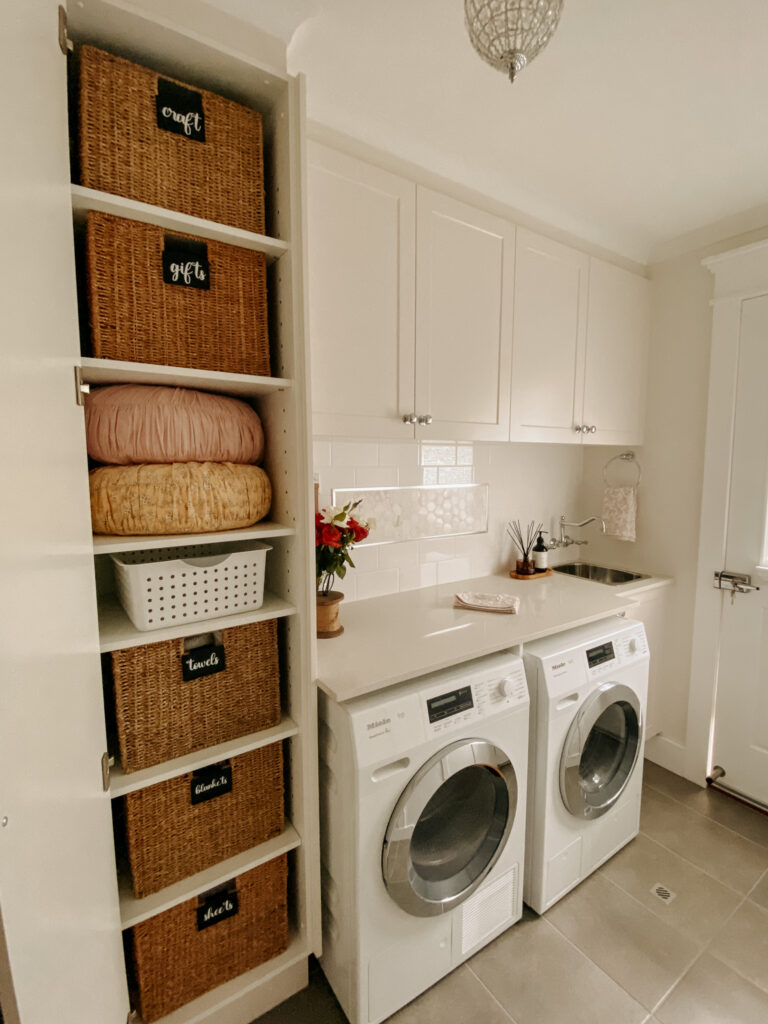
Why Spring Is the Perfect Time to Declutter
There is something about the beginning of spring that makes me want to open the windows, clean everything and give the house a bit of a reset.
It’s also when I change over my wardrobe.
We have a relatively small walk-in wardrobe, so some of my seasonal clothing is stored in boxes at the top. At the beginning of each season I pull those boxes down and swap things around.
Initially I thought the lack of wardrobe space was a nuisance, but I’ve realised there’s actually an advantage to it.
It forces me to regularly look at what I own.
As I unpack things I can see what I’m excited to wear again and what I haven’t missed at all. I’m also looking at the clothes from the season that’s just finished and asking myself what I actually wore.
It’s a natural declutter built into my year.
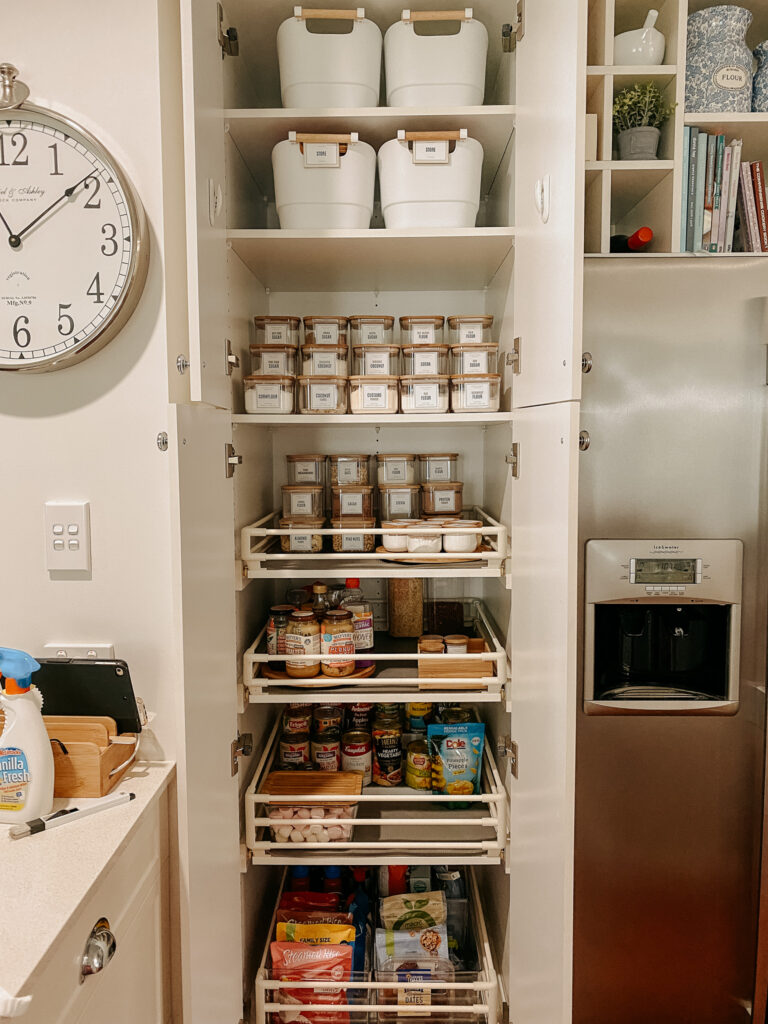
Start Your Decluttering With a Plan
If you’re not someone who declutters regularly, my biggest suggestion is don’t attack the entire house at once.
That’s a very quick way to end up surrounded by piles of belongings wondering why on earth you started.
Choose somewhere specific.
And if you’re new to decluttering, start small.
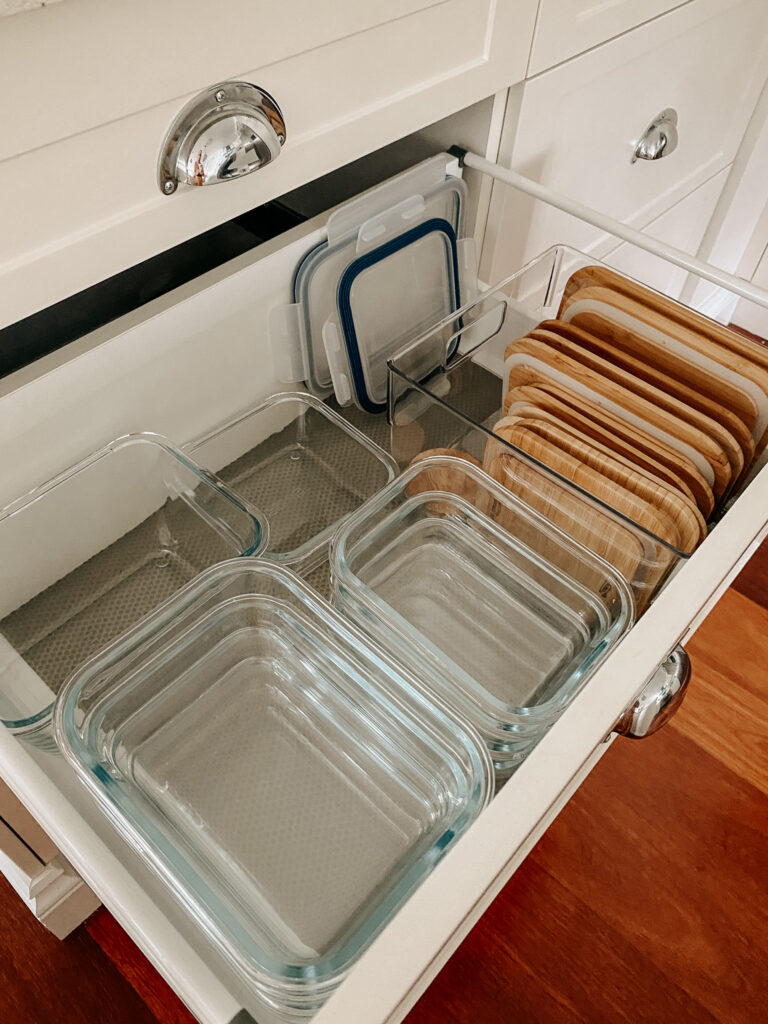
Instead of deciding you’re going to “declutter the kitchen”, start with the Tupperware drawer. Finish that. Then perhaps tackle the pantry.
Small completed spaces give you a sense of achievement and make you much more likely to continue.
I’m a little different because I’ve been doing this for years. I prefer to work through an entire room within a certain period of time. I might give myself a couple of days for a bedroom and perhaps a week for a kitchen or laundry.
The important thing is to set yourself a realistic boundary so the decluttering doesn’t turn into a month-long project with boxes sitting all over the house.
Take Everything Out
This is one decluttering rule I am quite firm about.
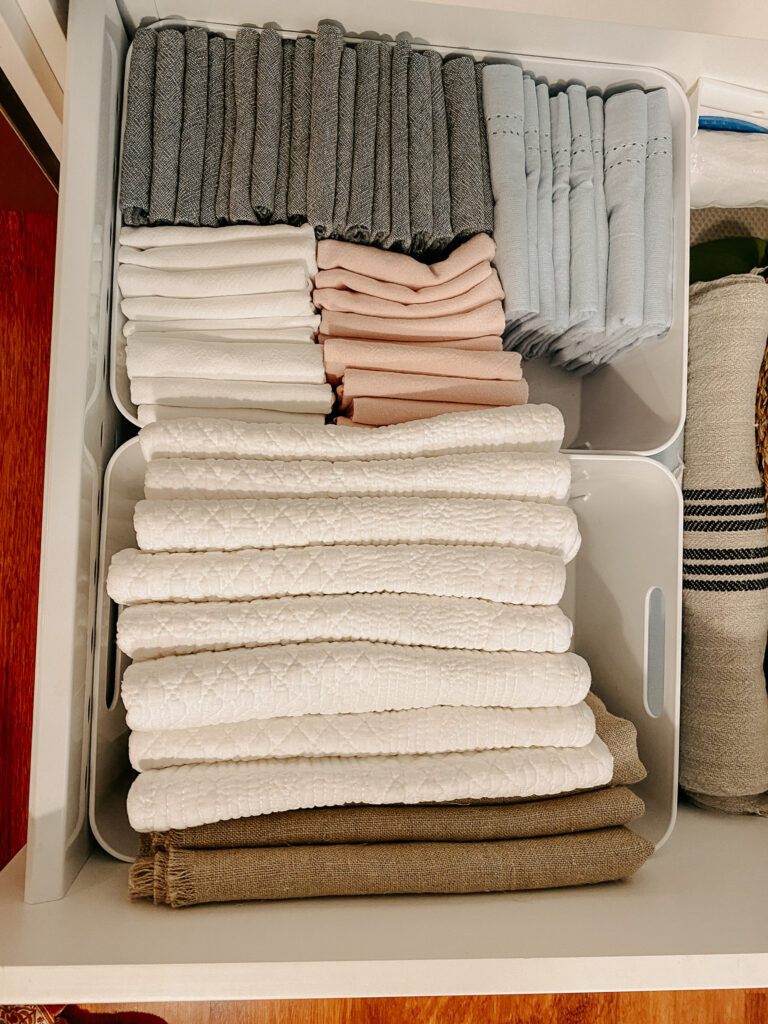
Take everything out of the cupboard, drawer or space you’re working on.
Trying to declutter while everything is still sitting in the cupboard DOES NOT work for me.
When everything comes out, I can actually see what I have.
It’s amazing how easy it is to forget what’s lurking at the back of a cupboard. You may discover three versions of the same thing, something you forgot you owned, or something you’ve been carefully storing for years despite never actually using it.
Once everything is out, you can properly assess what deserves to go back in.
Ask Yourself: Do I Use It or Do I Love It?
This is probably where my approach to decluttering differs from some of the advice you’ll find online.
We’ve all heard rules like:
If you haven’t used it in six months, get rid of it.
That doesn’t really work for my life.
As someone who loves entertaining, I own plenty of things that aren’t used every six months. I might have something I bring out only at Christmas, or serving pieces that are particularly useful when we’re hosting a large group.
I also own beautiful things simply because I love looking at them.
I don’t think everything in our homes needs to earn its keep by being constantly practical.
But — and this is important — that’s not a get-out-of-jail-free card for keeping everything!
You still have to be honest with yourself.
Do I actually use this?
Do I genuinely love it?
Would I notice if it disappeared?
Does it suit the way we live now?
Am I keeping it because I want it, or because I feel guilty getting rid of it?
Your limits will be different from mine because your home and your lifestyle are different.
The aim isn’t to follow someone else’s arbitrary rule about how much you’re allowed to own. It’s to make sure the things taking up space in your home are there intentionally.
Don’t Confuse Decluttering With Organising
Once I’ve decided what I’m keeping, I clean the empty cupboard or drawer before anything goes back.
Then I look at the space itself.
Could it work better?
Would containers help?
Would a drawer insert stop everything becoming jumbled together?
Would a pull-out plastic drawer make something at the back easier to reach?
Could something be stored somewhere else where it would actually be used more often?
This is also why I don’t recommend buying a collection of beautiful storage containers before you declutter.
First decide what you’re keeping.
Then work out how best to store it.
Otherwise you’re really just buying lovely containers for your clutter.
Create Storage Solutions That Make Life Easier
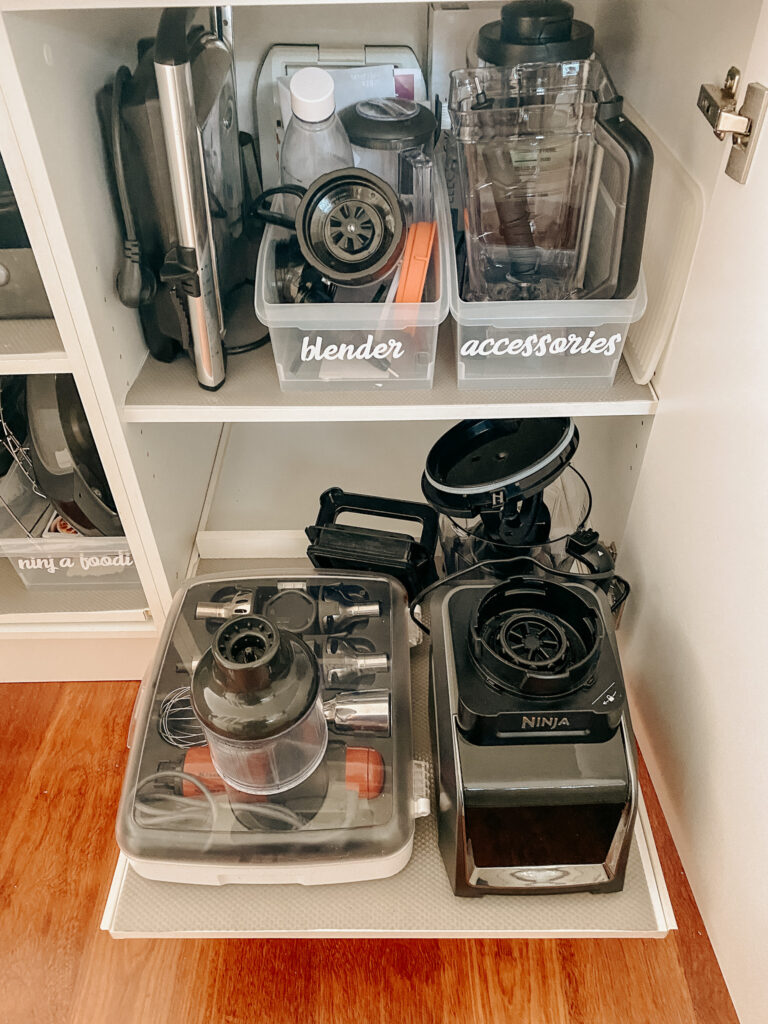
One of the biggest things I’ve learned about keeping our home organised is that everything needs a home.
If something is constantly left sitting on a bench or table, there’s often a reason.
Maybe it doesn’t have an obvious place to go.
Maybe where you’ve decided it “belongs” isn’t actually convenient.
Or perhaps the storage you’ve created is too difficult to use.
Good storage should make putting something away almost as easy as leaving it out.
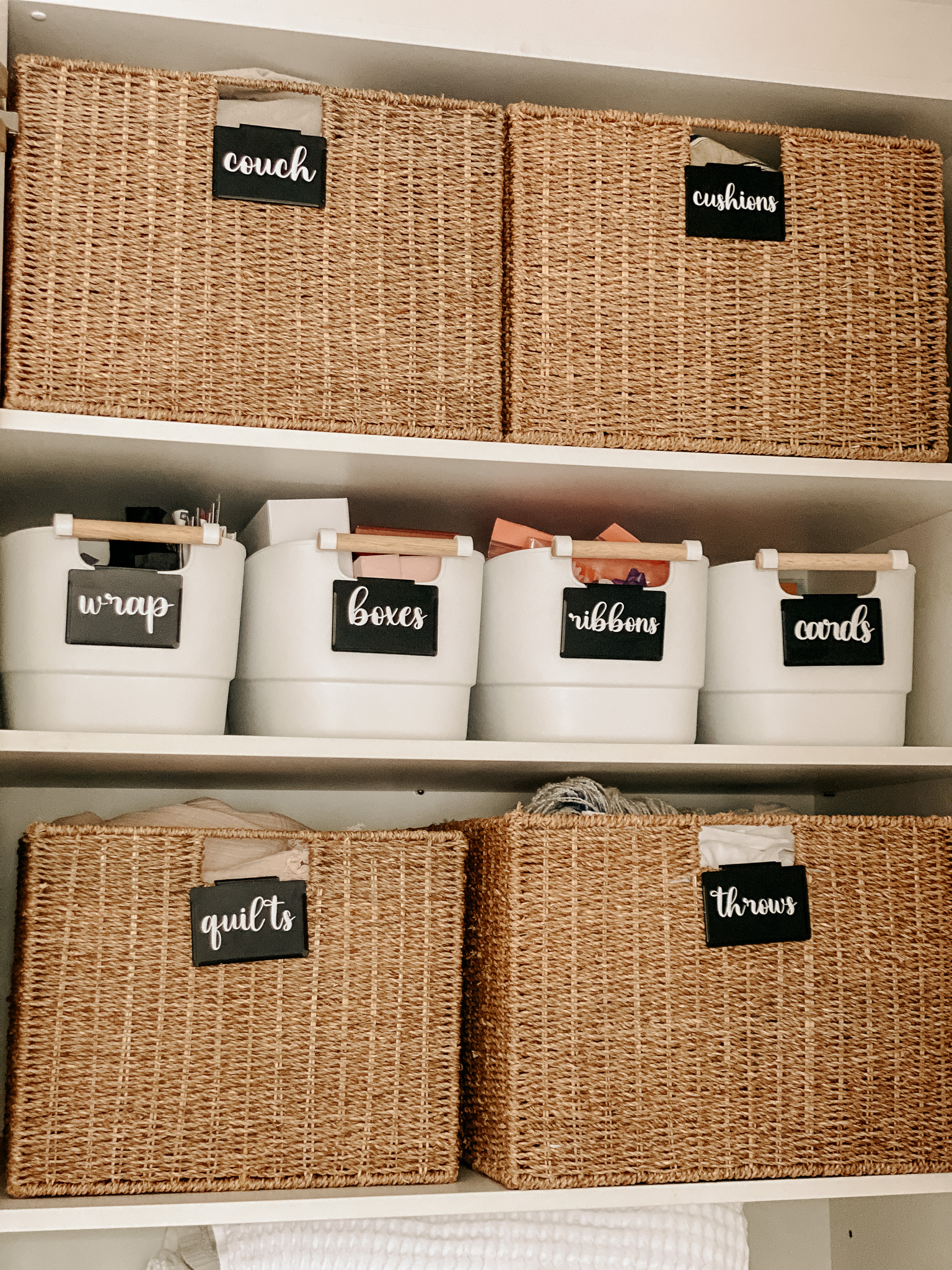
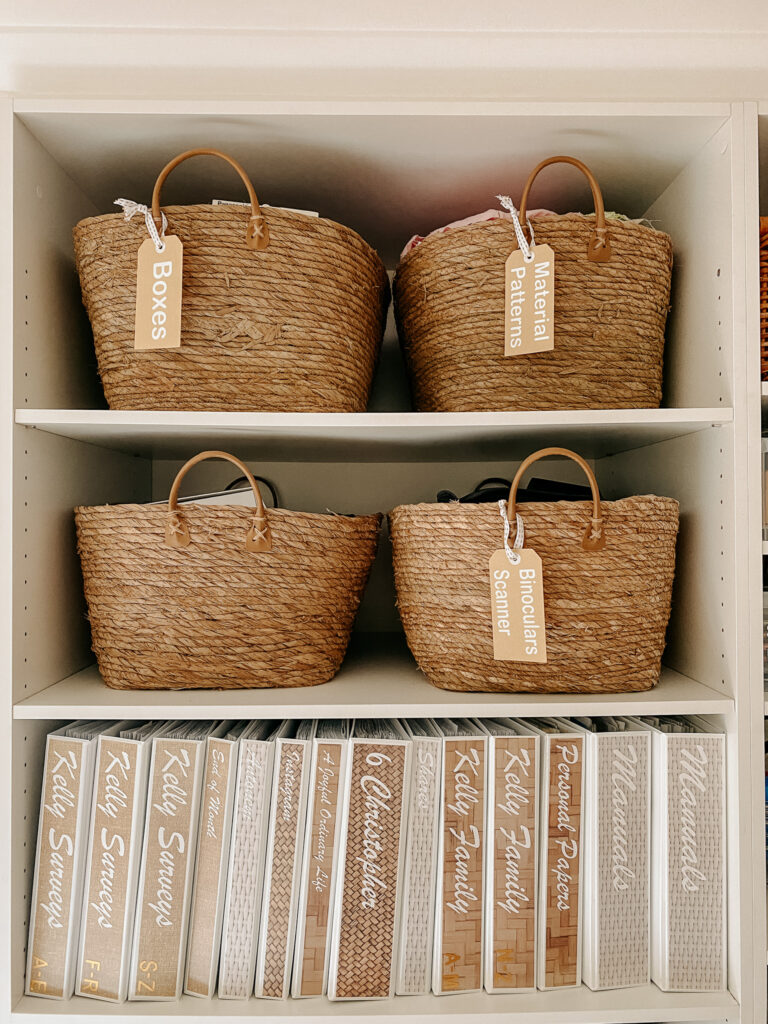
I’m a huge fan of baskets, drawers, tubs and containers, but one of my favourite organising tools is ridiculously simple:
Labels.
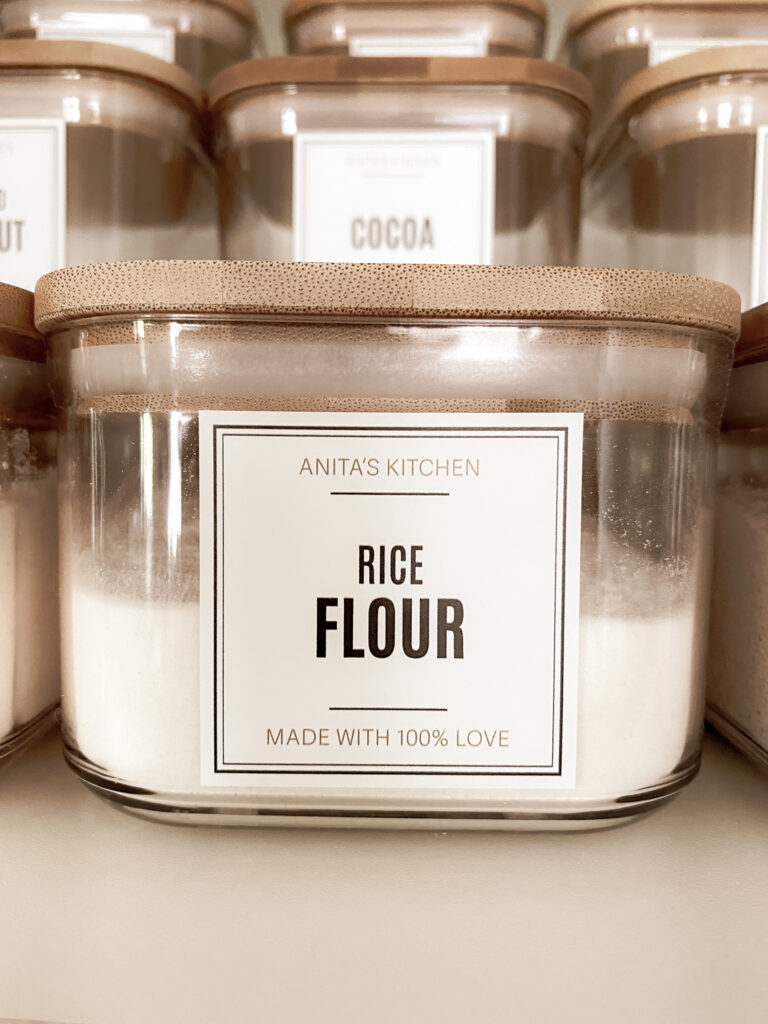
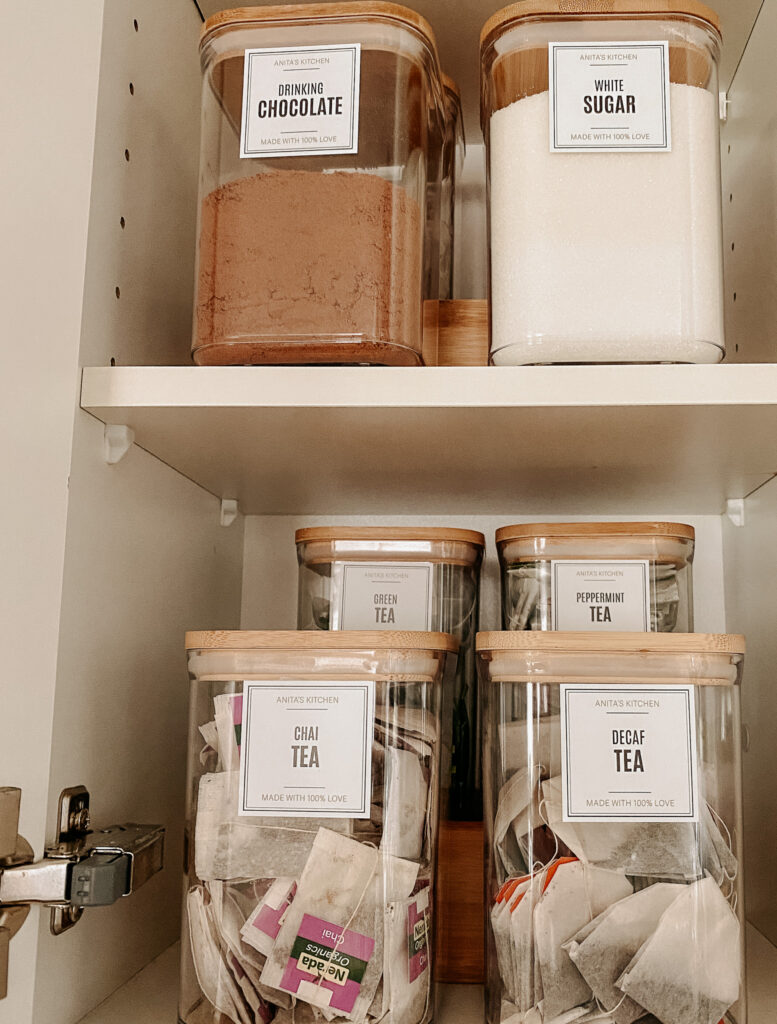
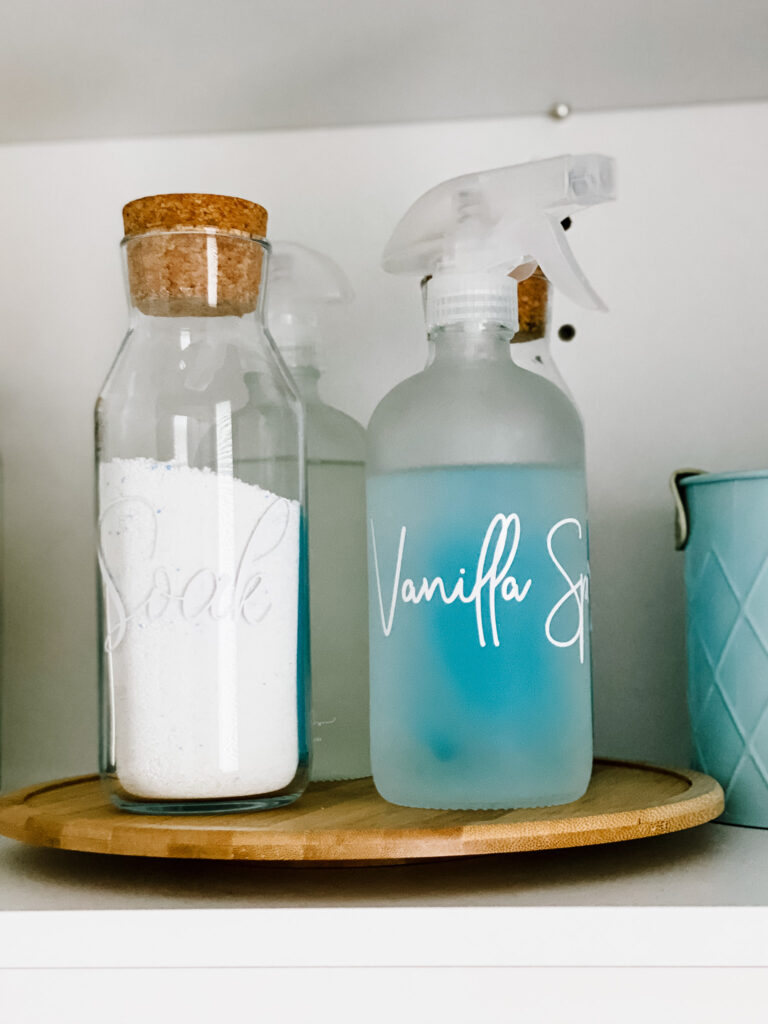
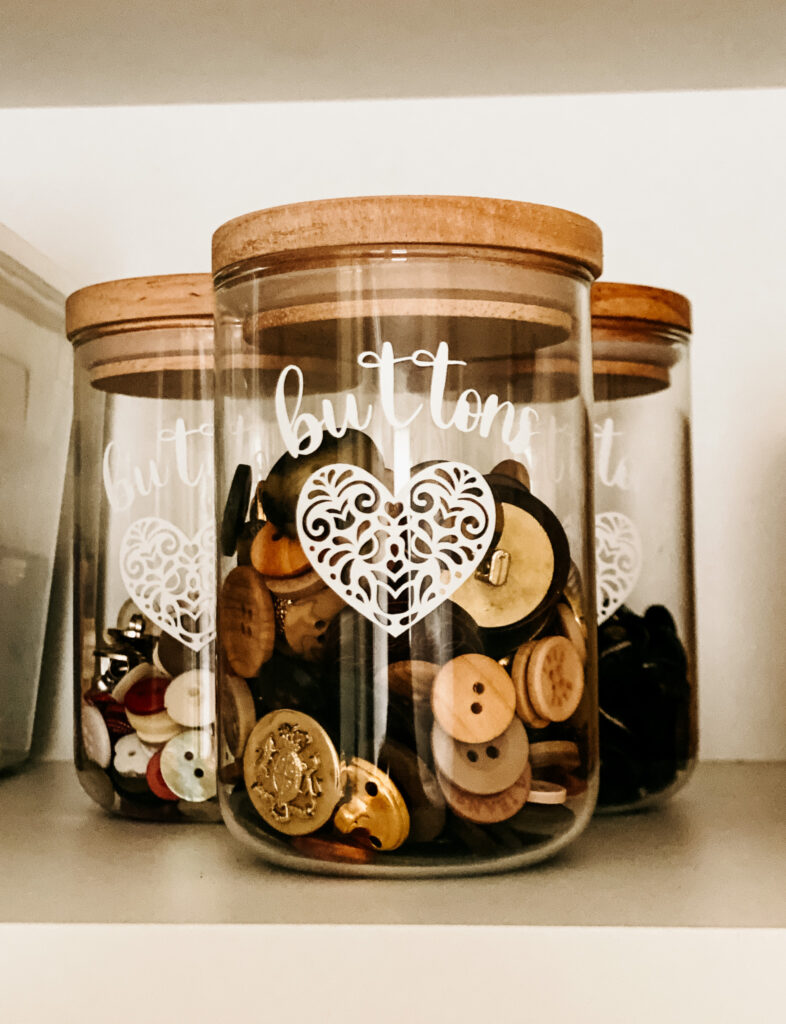
If messy little items have a clearly labelled home, everyone knows where they belong. It also means other members of the family have a fighting chance of finding things — and, more importantly, putting them back!
The goal isn’t to create a home that looks perfectly organised when you open every cupboard.
It’s to create systems that make your everyday life easier.
Decluttering and Storage for the Life You Have Now
One thing I’ve become much more conscious of in retirement is organising our home around the way I actually want to spend my time now.
For me, one of those things is crafting.
I love to craft and, because I’ve tried my hand at quite a few different crafts over the years, I have accumulated a LOT of supplies. For a long time they were stored in different cupboards and spaces around the house. I knew I had everything somewhere, but finding what I needed — and then putting it all away again — could make a quick little craft project feel like far more effort than it should.
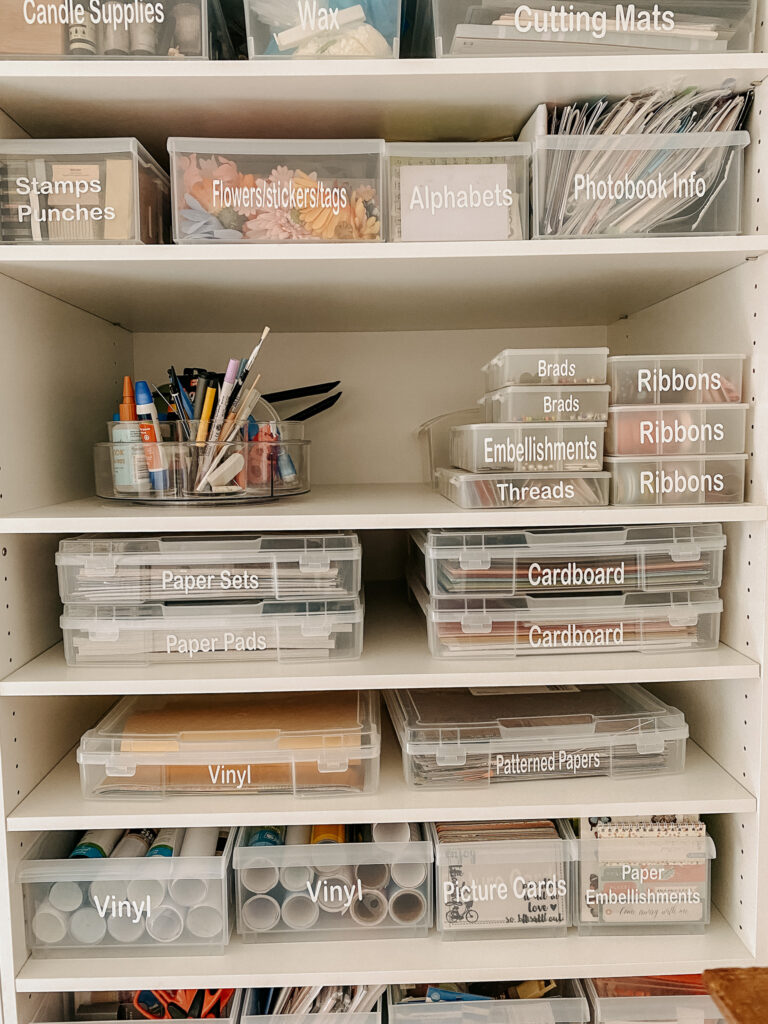
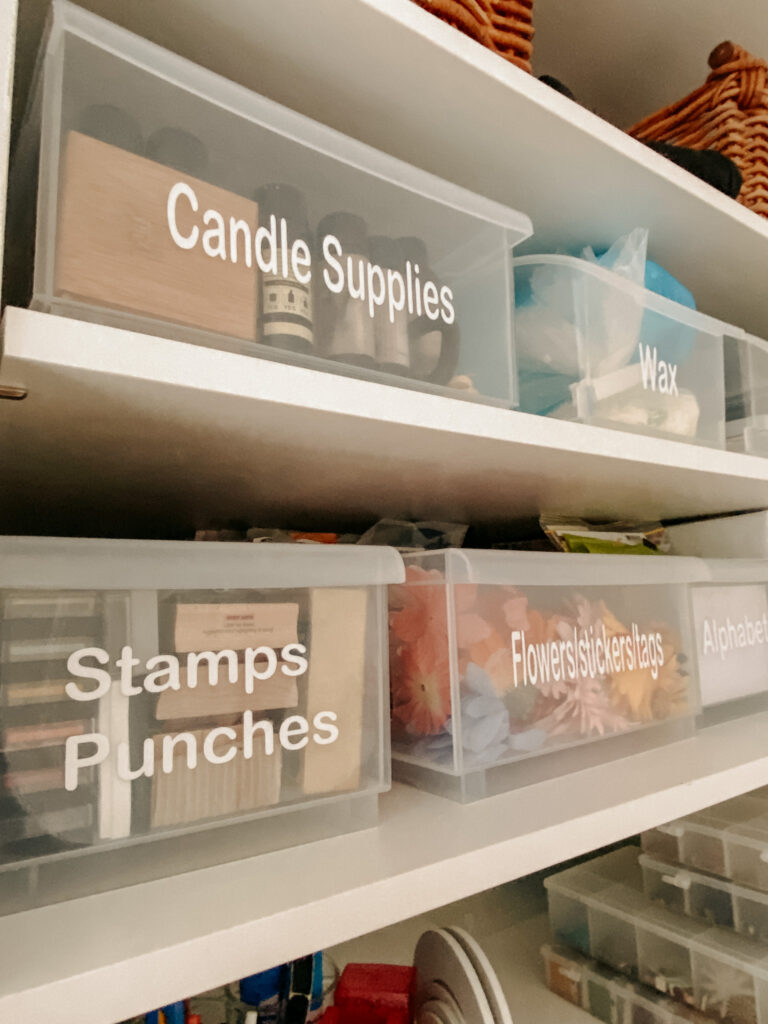
When we redid our home office, I decided to dedicate a section of the new cabinetry entirely to my craft supplies. Rather than decluttering the hobby itself or getting rid of things I knew I would use, I decluttered what I no longer needed and then created proper storage for everything that remained.
Now everything is together, clearly labelled and easy to access.
I absolutely love it.
If I suddenly decide I want to make something, I can pull out what I need, work on my project and put everything away again without having to search through cupboards all over the house. It has actually made me more likely to craft, because I’ve removed one of those little barriers that can make starting something feel like too much trouble.
I think this is particularly worth considering as we move into retirement. Decluttering isn’t only about getting rid of things. It’s also an opportunity to ask whether our homes still support the lives we’re living now — and the lives we want to live in the years ahead.
Perhaps you want to paint, sew, garden, read more, do puzzles, restore furniture or finally have time for a hobby you’ve always wanted to try. Rather than hiding all those supplies in whatever cupboard has room, think about whether you can create a dedicated space for them.
For me, good storage isn’t about having perfectly styled cupboards. It’s about making the things I love doing easier to actually do.
And surely that’s one of the nicest things our homes can do for us in retirement.
A Maximalist Home Can Still Feel Calm
I think sometimes we confuse a clutter-free home with a minimalist home.
They’re not the same thing.
My home will probably never have one vase sitting alone on an otherwise empty shelf. That’s just not me.
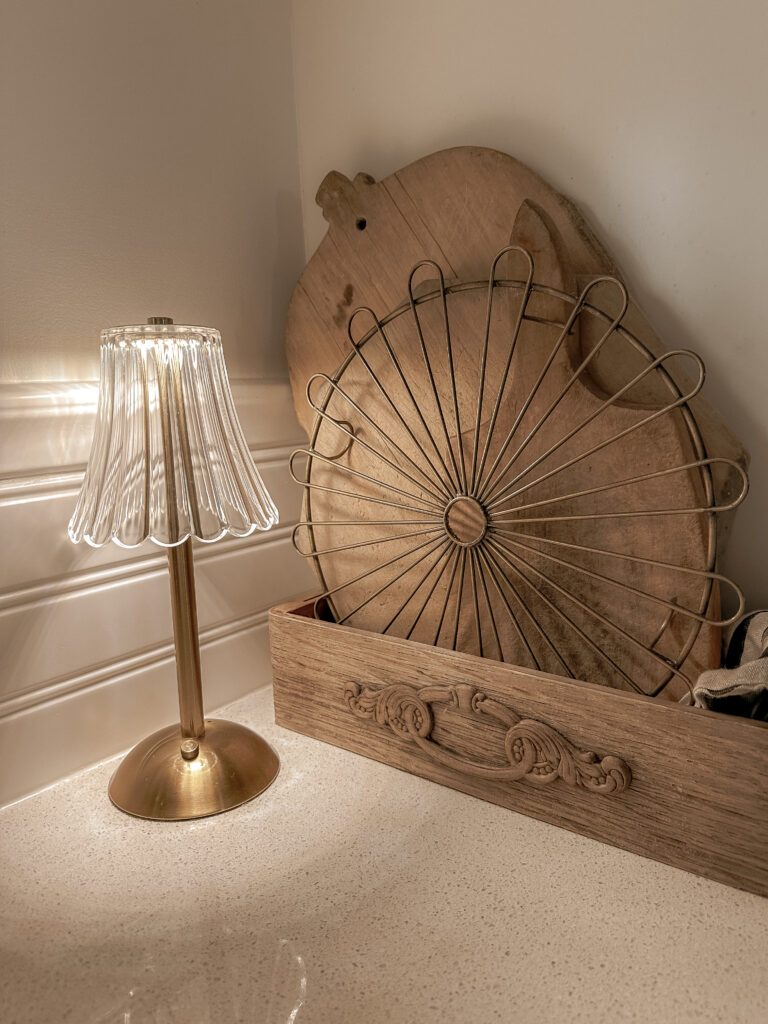
I like layers. I like collections. I like displaying beautiful things I’ve found over the years. And many of those decorative pieces eventually find their way onto one of my tablescapes or get used when we’re entertaining.
For me, clutter isn’t about the number of things in a home.
It’s when the amount of stuff starts interfering with how the home functions or how I feel in it.
I want to be able to enjoy the things I own rather than feel overwhelmed by them.
Regular decluttering gives me permission to be a maximalist because I know I’m continually editing what we have.
Make Decluttering Part of Everyday Life
The biggest difference for me has been making decluttering something I do regularly rather than waiting until the house feels out of control.
You don’t need to spend an entire weekend doing it.
Pick one small area occasionally and give it ten minutes.
A bathroom drawer.
The cupboard under the sink.
Your handbag.
A shelf in the pantry.
The junk drawer we all pretend isn’t a junk drawer.
Those little resets add up.
I also try very hard to clear our kitchen bench at the end of every day.
Our kitchen is the heart of our family room, so when the bench is covered in things, somehow the entire space feels messy.
And there is nothing worse than walking out in the morning and immediately being confronted by yesterday’s clutter.
If I do it every evening, it generally takes no more than ten minutes.
Those ten minutes make an enormous difference to how the house feels when I wake up the next morning.
Declutter for the Home You Actually Live In
I think this is ultimately what I’ve learned after years of decluttering.
You don’t need to become a minimalist.
You don’t need to throw away everything you haven’t touched in six months.
And you definitely don’t need your home to look like anyone else’s.
You simply need to be honest about what deserves space in your home.
Keep the things you use.
Keep the things you genuinely love.
Make room for the things that support the way you actually live — whether that’s entertaining for 30 people, crafting, cooking, reading, gardening or collecting beautiful old pieces simply because they make you smile.
Then let the rest go.
For me, regular decluttering isn’t about owning less for the sake of owning less. It’s about being able to see, use and enjoy what I already have.
And perhaps that’s the perfect way to think about a spring reset: not stripping our homes of personality, but making a little more room to enjoy them.
“If you’re looking for more simple ways to make your home feel peaceful and easier to live in, you might also enjoy my post on creating a calm home, where I share the small changes that have made the biggest difference in our home.”
Such fabulous tips…. i get overwhelmed and end up worse than when i started.
I love the tip of starting small and finishing before moving onto the next.
Great tip about the wardrobe as well.
I have just started a box in my wardrobe. If I put something on and it doesn’t feel right or I don’t love it anymore, it goes in the box to take to the op shop!
Jules, I can find it overwhelming too. I have a lot of stuff – but I also feel so good once Ive decluttered a space. Love that you place things straight into a box. Thats a great way to get rid of things.